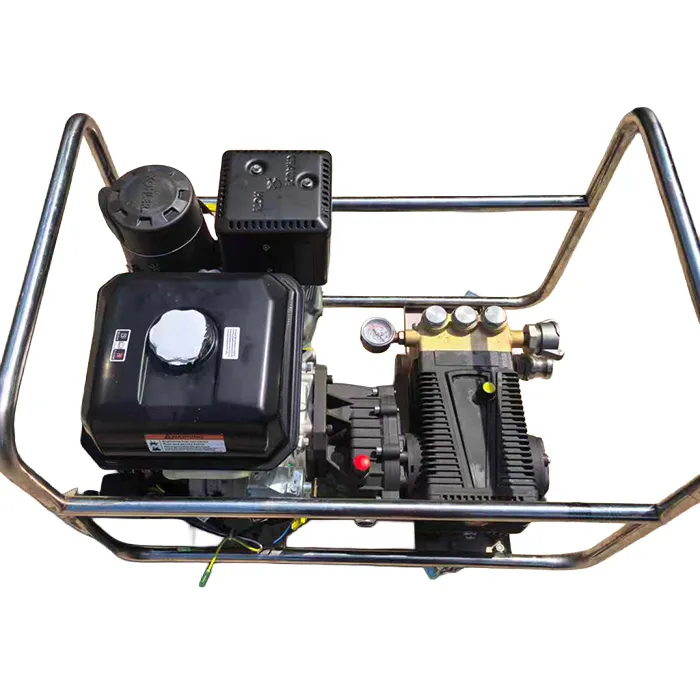
Hey there! I’m a supplier of fire extinguishing equipment, and I’ve seen firsthand how crucial it is to choose the right gear. Whether you’re a business owner, a homeowner, or just someone who wants to be prepared, picking the right fire extinguisher can mean the difference between a minor incident and a major disaster. So, let’s dive into the factors you need to consider when choosing fire extinguishing equipment. Fire Extinguishing Equipment
Type of Fire
The first thing you gotta think about is the type of fire you’re likely to encounter. Fires are classified into different categories, and each type requires a specific kind of extinguisher. Here are the main types:
- Class A Fires: These are fires involving ordinary combustibles like wood, paper, cloth, and plastics. For Class A fires, you’ll want an extinguisher that uses water, foam, or dry chemical.
- Class B Fires: These fires involve flammable liquids such as gasoline, oil, and paint. You need an extinguisher that can smother the fire, like a dry chemical or CO2 extinguisher.
- Class C Fires: These are fires involving energized electrical equipment. You should use a non-conductive extinguisher, like a CO2 or dry chemical extinguisher.
- Class D Fires: These fires involve combustible metals like magnesium, titanium, and sodium. Specialized dry powder extinguishers are needed for Class D fires.
- Class K Fires: These are fires in commercial kitchens, involving cooking oils and fats. A wet chemical extinguisher is the best choice for Class K fires.
It’s important to know what types of fires are possible in your environment so you can choose the right extinguisher. If you’re not sure, you can always consult with a fire safety professional.
Size and Capacity
The size and capacity of the fire extinguisher are also important factors to consider. You want an extinguisher that’s big enough to handle the potential fire, but not so big that it’s difficult to use.
For small spaces like a home kitchen or office, a 2 – 5 pound extinguisher is usually sufficient. For larger areas, such as a warehouse or a factory, you might need a 10 – 20 pound extinguisher or even larger.
Keep in mind that the capacity of an extinguisher is measured in terms of how long it can discharge. A larger extinguisher will typically have a longer discharge time, which can be crucial in a big fire.
Ease of Use
Let’s face it, in a fire situation, you’re not going to have a lot of time to figure out how to use an extinguisher. So, you want an extinguisher that’s easy to operate.
Look for an extinguisher with a simple design and clear instructions. Most modern extinguishers use the PASS method: Pull the pin, Aim at the base of the fire, Squeeze the handle, and Sweep from side to side. Make sure everyone who might need to use the extinguisher knows how to use it.
You should also consider the weight and ergonomics of the extinguisher. If it’s too heavy or awkward to hold, it’ll be difficult to use effectively.
Maintenance and Inspection
Fire extinguishers need regular maintenance and inspection to make sure they’re in good working condition. When choosing an extinguisher, think about how easy it is to maintain.
Some extinguishers require more frequent maintenance than others. For example, a water extinguisher might need to be checked for water levels and corrosion more often than a dry chemical extinguisher.
You should also consider whether the extinguisher comes with a warranty and if replacement parts are readily available. It’s a good idea to choose an extinguisher from a reputable manufacturer that offers good customer support.
Cost
Cost is always a factor when making a purchase. Fire extinguishers can range in price from relatively inexpensive to quite costly, depending on the type, size, and features.
While you don’t want to skimp on fire safety, you also don’t want to overspend. Compare prices from different suppliers and look for deals or discounts. Keep in mind that the cost of an extinguisher is a small price to pay for the peace of mind it provides.
Location
Where you’ll be placing the fire extinguisher is another important consideration. The extinguisher should be easily accessible in case of a fire.
It should be mounted at a convenient height, usually between 3 – 5 feet off the ground. Make sure it’s not blocked by furniture, equipment, or other objects.
You should also consider placing extinguishers in areas where fires are most likely to occur, such as kitchens, electrical rooms, and workshops.
Certification and Standards
When buying a fire extinguisher, make sure it meets the relevant safety standards and certifications. In the United States, fire extinguishers should be approved by the National Fire Protection Association (NFPA) and the Underwriters Laboratories (UL).
These certifications ensure that the extinguisher has been tested and meets certain quality and performance standards. Using an uncertified extinguisher could put you at risk in a fire situation.
Training
Even if you have the best fire extinguisher in the world, it won’t do you any good if you don’t know how to use it. That’s why it’s important to provide training for anyone who might need to use the extinguisher.
Many fire departments offer fire extinguisher training courses, and there are also online resources available. Make sure everyone in your household or workplace knows how to use the extinguisher properly.
Compatibility with Other Safety Equipment
Finally, you should consider how the fire extinguisher will work with other safety equipment in your environment. For example, if you have a sprinkler system, the extinguisher should be compatible with it.
You should also think about how the extinguisher will interact with other fire safety measures, such as fire alarms and evacuation plans.
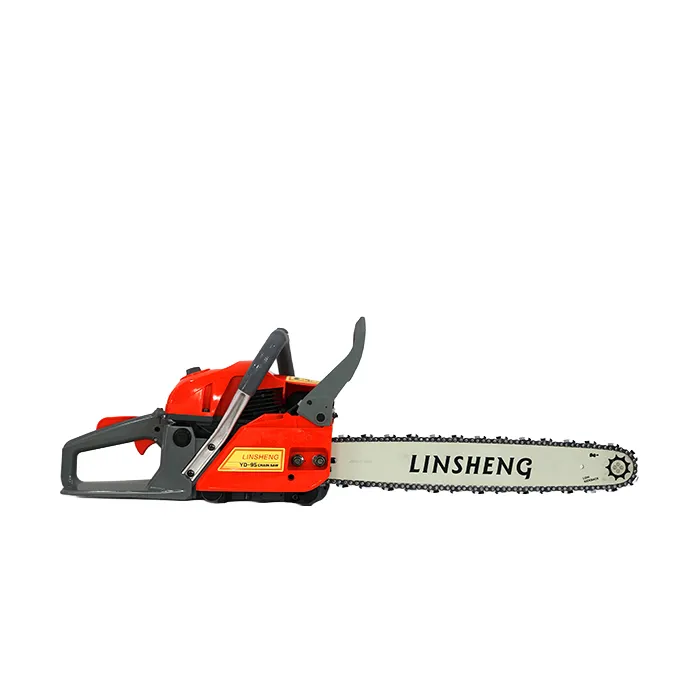
Well, there you have it! These are the main factors to consider when choosing fire extinguishing equipment. As a fire extinguishing equipment supplier, I can help you find the right extinguisher for your needs. Whether you’re looking for a small home extinguisher or a large industrial one, I’ve got you covered.
Light-duty Fire Pump If you’re interested in purchasing fire extinguishing equipment or have any questions, don’t hesitate to reach out. I’m here to help you make the right choice and keep you and your property safe from fires.
References
- National Fire Protection Association (NFPA). NFPA 10: Standard for Portable Fire Extinguishers.
- Underwriters Laboratories (UL). UL 711: Standard for Portable Fire Extinguishers.
Zhenjiang Linhao Forest Fire Prevention Equipment Co., Ltd.
Zhenjiang Linhao Forest Fire Prevention Equipment Co., Ltd. is one of the most reliable manufacturers and suppliers of fire extinguishing equipment in China, featured by quality products and low price. Please rest assured to wholesale customized fire extinguishing equipment from our factory. Contact us for quotation and free sample.
Address: No.16,Fenghuangshan Road, Runzhou District, Zhenjiang City, Jiangsu Province
E-mail: lh@lhfirefighting.com
WebSite: https://www.lhfirefighting.com/
