As a supplier of paper packaging boxes, I often get asked the question: Are paper packaging boxes biodegradable? This is a crucial topic in today’s environmentally – conscious world, where consumers and businesses alike are increasingly concerned about the ecological impact of the products they use. In this blog, I’ll delve into the science behind the biodegradability of paper packaging boxes, exploring the factors that influence it and discussing its implications for the environment and our industry. Paper Packaging Box

The Basics of Biodegradability
To understand whether paper packaging boxes are biodegradable, we first need to define what biodegradability means. Biodegradation is the process by which organic substances are broken down into simpler compounds by the action of living organisms, such as bacteria, fungi, and other microorganisms. A biodegradable material can be completely decomposed into natural elements like water, carbon dioxide, and biomass within a reasonable period under appropriate environmental conditions.
Paper is made from cellulose, a natural polymer that is the main component of plant cell walls. Cellulose is an organic substance, which means it has the potential to be broken down by microorganisms. In fact, paper is one of the most widely recognized biodegradable materials. When paper packaging boxes are disposed of in a natural environment, such as in a compost pile or in soil, the cellulose fibers are gradually attacked by bacteria and fungi. These microorganisms secrete enzymes that break down the cellulose into smaller molecules, which can then be further metabolized into carbon dioxide, water, and other simple substances.
Factors Affecting the Biodegradability of Paper Packaging Boxes
However, the biodegradability of paper packaging boxes is not an absolute characteristic. Several factors can influence how quickly and completely a paper box will biodegrade.
1. Type of Paper
The type of paper used in the packaging box plays a significant role. For example, virgin paper, which is made from newly harvested wood pulp, generally biodegrades more easily than recycled paper. Recycled paper may contain additives and contaminants from the recycling process, such as inks, glues, and coating materials. These substances can slow down the biodegradation process. Inks, especially those with heavy metals or synthetic dyes, can be toxic to the microorganisms responsible for biodegradation. Glues and coatings, which are often used to improve the strength and water – resistance of the boxes, can form a protective layer that prevents the cellulose fibers from coming into contact with the microorganisms.
2. Environmental Conditions
The environment in which the paper packaging box is disposed of also has a major impact on its biodegradability. Biodegradation occurs most efficiently in aerobic environments, where there is an adequate supply of oxygen. In a compost pile, for instance, the presence of oxygen allows the aerobic bacteria to break down the paper quickly. On the other hand, in anaerobic environments, such as landfills, the lack of oxygen slows down the biodegradation process significantly. In landfills, paper may take years or even decades to decompose because the anaerobic conditions limit the activity of the microorganisms.
Temperature and moisture are also important factors. Microorganisms are most active at moderate temperatures, typically between 20 – 40 degrees Celsius. If the temperature is too low, the metabolic activity of the microorganisms will slow down, and if it is too high, they may be killed. Moisture is essential for the growth and activity of microorganisms. A dry environment will inhibit biodegradation, while excessive moisture can lead to the growth of mold and other fungi, which may not break down the paper as effectively as bacteria.
3. Box Design and Structure
The design and structure of the paper packaging box can affect its biodegradability. A box with a simple design and fewer layers is more likely to biodegrade quickly than a complex box with multiple layers of paper, inserts, and attachments. The more components a box has, the more difficult it is for the microorganisms to access the cellulose fibers. Additionally, if the box is sealed tightly, it may prevent the entry of air and moisture, which are necessary for biodegradation.
The Environmental Impact of Biodegradable Paper Packaging Boxes
The biodegradability of paper packaging boxes has several positive environmental impacts.
1. Reducing Landfill Waste
One of the most significant benefits is the reduction of landfill waste. Since paper boxes can break down over time, they do not contribute to the long – term accumulation of waste in landfills. This helps to conserve landfill space, which is a limited resource in many areas. In contrast, non – biodegradable materials, such as plastic packaging, can remain in landfills for hundreds of years, taking up valuable space and potentially releasing harmful chemicals into the environment.
2. Carbon Sequestration
During the growth of the trees used to make paper, they absorb carbon dioxide from the atmosphere through photosynthesis. When the paper is biodegraded, the carbon is released back into the atmosphere as carbon dioxide. However, if the paper is sourced from sustainably managed forests, the carbon cycle is balanced. The new trees that are planted to replace the harvested ones will absorb more carbon dioxide, effectively sequestering carbon and helping to mitigate climate change.
3. Supporting the Circular Economy
Biodegradable paper packaging boxes are an important part of the circular economy. After use, the boxes can be recycled into new paper products or composted to enrich the soil. Recycling paper reduces the demand for virgin wood pulp, conserves natural resources, and saves energy. Composting paper boxes turns them into a valuable resource for agriculture, providing nutrients for plants and improving soil structure.
Our Commitment as a Paper Packaging Box Supplier
As a supplier of paper packaging boxes, we are committed to providing products that are not only functional but also environmentally friendly. We use high – quality, sustainably sourced paper in our manufacturing process. Our paper is certified by organizations such as the Forest Stewardship Council (FSC), which ensures that the wood used comes from well – managed forests.
We also strive to minimize the use of additives and coatings in our boxes. While some coatings are necessary to provide water – resistance and durability, we use eco – friendly alternatives whenever possible. Our inks are water – based and free of heavy metals, which not only reduces the environmental impact but also makes the boxes more biodegradable.
In addition, we offer design services to our customers to create packaging boxes that are both aesthetically pleasing and easy to biodegrade. We encourage simple designs with fewer layers and components, and we provide guidance on proper disposal methods to ensure that our boxes can be recycled or composted effectively.
Conclusion
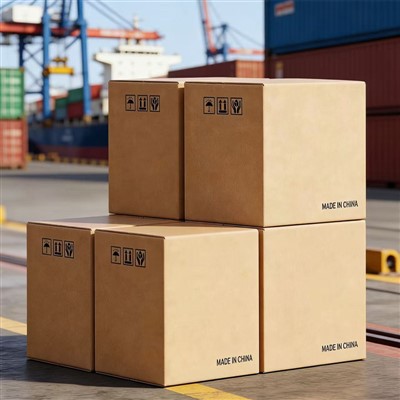
In conclusion, paper packaging boxes are generally biodegradable, but the degree of biodegradability depends on several factors, including the type of paper, environmental conditions, and box design. As a paper packaging box supplier, we understand the importance of providing products that are not only functional but also have a minimal environmental impact. Our commitment to sustainability is reflected in our choice of materials, manufacturing processes, and design services.
Courier Box If you are looking for high – quality, environmentally friendly paper packaging boxes, we would love to have a discussion with you. Whether you are a small business or a large corporation, we can provide customized solutions to meet your specific needs. Contact us to start a conversation about your packaging requirements and explore how we can work together to create a more sustainable future.
References
- ASTM International. (2018). Standard Test Methods for Determining Aerobic Biodegradation of Plastic Materials Under Controlled Composting Conditions. ASTM D6400 – 12.
- European Bioplastics. (2020). Biodegradable Plastics: An Overview.
- International Organization for Standardization (ISO). (2013). ISO 17088:2013 Plastics — Biodegradable plastics for use in agriculture and horticulture — Requirements and test methods.
- United States Environmental Protection Agency (EPA). (2021). Composting Basics.
Hangzhou Yitian Printed Goods Co., Ltd.
We’re well-known as one of the leading paper packaging box manufacturers and suppliers in China, also support customized service. Please feel free to buy high quality paper packaging box made in China here and get pricelist from our factory. For price consultation, contact us.
Address: Room 1719-1, Building 2, Xinglan Building, No. 2333 Xixing Road, Xixing Subdistrict, Binjiang District, Hangzhou City, Zhejiang Province
E-mail: sxyunchao2023@163.com
WebSite: https://www.ytcarton.com/
