As a seasoned supplier of pipeline anti – corrosion materials, I’ve spent countless hours exploring the vast landscape of options available in the market. With the increasing demand for efficient and cost – effective solutions in pipeline protection, the question of which anti – corrosion material is the most economical while maintaining high performance is one that I encounter frequently. In this blog post, I’ll share my insights based on years of experience and industry knowledge. Pipeline Anti-corrosion Materials

Understanding the Basics of Pipeline Anti – Corrosion
Before delving into the cost – effectiveness of different materials, it’s essential to understand why pipeline anti – corrosion is so important. Corrosion is a natural process that occurs when metal pipes are exposed to various environmental factors such as soil, water, and chemicals. Over time, corrosion can lead to pipe failures, leaks, and significant financial losses due to repair and replacement costs. Therefore, choosing the right anti – corrosion material is crucial to extend the lifespan of pipelines and ensure their safe and efficient operation.
Common Pipeline Anti – Corrosion Materials
Epoxy Coatings
Epoxy coatings are one of the most widely used anti – corrosion materials in the pipeline industry. They offer excellent adhesion to metal surfaces, high chemical resistance, and good mechanical properties. Epoxy coatings can be applied in various thicknesses, depending on the specific requirements of the pipeline. They are suitable for both onshore and offshore pipelines and can withstand a wide range of temperatures.
However, epoxy coatings have some limitations. The application process can be complex and requires strict environmental conditions, such as proper temperature and humidity control. Additionally, the initial cost of epoxy coating materials and the application equipment can be relatively high. Despite these drawbacks, the long – term protection provided by epoxy coatings often justifies the investment.
Polyethylene (PE) Coatings
Polyethylene coatings are another popular choice for pipeline anti – corrosion. They are known for their high flexibility, impact resistance, and excellent moisture barrier properties. PE coatings can be extruded onto the pipeline surface, which allows for a continuous and seamless protection layer. This type of coating is particularly suitable for pipelines in abrasive environments, as it can resist scratches and gouges.
The cost of PE coatings is generally lower than that of epoxy coatings, especially for large – scale pipeline projects. The installation process is also relatively straightforward, which can reduce labor costs. However, PE coatings may have lower resistance to certain chemicals and UV radiation compared to epoxy coatings. This means that additional protective measures may be required in some environments.
Fusion – Bonded Epoxy (FBE)
Fusion – bonded epoxy is a type of epoxy coating that is applied in a powder form and fused to the pipeline surface under high heat. FBE offers several advantages, including excellent adhesion, high corrosion resistance, and good abrasion resistance. It is widely used in the oil and gas industry for both internal and external pipeline protection.
FBE has a relatively high initial cost, similar to traditional epoxy coatings. The application process requires specialized equipment and trained personnel. However, its long – term performance and durability make it a cost – effective option in many cases. FBE – coated pipelines can have a service life of up to 30 years or more, reducing the need for frequent repairs and replacements.
Zinc – Rich Primers
Zinc – rich primers are often used as a base coat for other anti – corrosion systems. They work by sacrificing the zinc to protect the underlying metal through a process called galvanic protection. Zinc – rich primers are relatively inexpensive and easy to apply. They can provide effective short – to medium – term protection, especially in atmospheric environments.
However, zinc – rich primers have limitations in terms of long – term protection, especially in harsh environments such as underwater or in highly corrosive soils. They may require additional topcoats to enhance their performance and durability.
Assessing Cost – Effectiveness
To determine the most cost – effective anti – corrosion material, several factors need to be considered:
Initial Cost
The initial cost includes the cost of the material itself, as well as the cost of application equipment and labor. As mentioned earlier, PE coatings generally have a lower initial cost compared to epoxy – based coatings, while zinc – rich primers are the least expensive option in terms of material cost.
Lifespan
The lifespan of the anti – corrosion material is a critical factor in determining its cost – effectiveness. Materials with a longer lifespan, such as FBE and epoxy coatings, may have a higher initial cost but can result in significant savings over the long term due to reduced maintenance and replacement costs.
Maintenance Requirements
Some materials require less maintenance than others. For example, once a PE – coated pipeline is installed, it generally requires less maintenance compared to a pipeline coated with a zinc – rich primer, which may need periodic inspections and potential recoating.
Environmental Compatibility
The environmental conditions in which the pipeline operates play a significant role in the choice of anti – corrosion material. In harsh environments, such as offshore oil and gas pipelines, more durable and corrosion – resistant materials like FBE or epoxy coatings may be necessary. In less aggressive environments, less expensive options like PE coatings or zinc – rich primers may be sufficient.
Case Studies
Let’s look at some real – world examples to illustrate the cost – effectiveness of different anti – corrosion materials.
Case 1: Onshore Oil Pipeline
An onshore oil pipeline project was considering two anti – corrosion options: PE coatings and FBE. The initial cost of the PE coating was approximately 30% lower than that of the FBE coating. However, after 15 years of operation, the PE – coated sections of the pipeline required significant repairs due to damage from soil movement and minor abrasions. In contrast, the FBE – coated sections showed minimal signs of corrosion and no major structural damage. The long – term savings from reduced maintenance and replacement costs associated with the FBE coating outweighed the higher initial investment.
Case 2: Municipal Water Pipeline
A municipal water pipeline project opted for zinc – rich primers as a cost – saving measure. The initial cost was very low, and the application process was quick and easy. However, after just 5 years, signs of corrosion started to appear on the pipeline surface. The city had to invest in recoating the pipeline, which not only increased the overall cost but also caused inconvenience to residents due to pipeline shutdowns. In this case, a more durable coating like epoxy or PE may have been a better long – term solution.
Conclusion
In conclusion, there is no one – size – fits – all answer to the question of which pipeline anti – corrosion material is the most cost – effective. The choice depends on a variety of factors, including the initial cost, lifespan, maintenance requirements, and environmental conditions. While materials like zinc – rich primers may offer low initial costs, they may not be the best option in the long run, especially for pipelines in harsh environments. On the other hand, epoxy – based coatings and FBE, despite their higher initial investment, can provide superior long – term protection and cost savings.
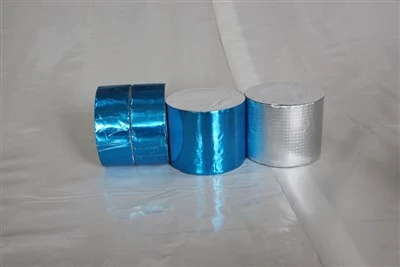
As a supplier of pipeline anti – corrosion materials, I understand that every project has unique requirements. I’m here to help you make an informed decision based on your specific needs and budget. Whether you’re working on a small – scale water pipeline or a large – scale offshore oil project, I can offer expert advice and high – quality products to ensure the long – term protection of your pipelines.
Heat Shrink Tape If you’re interested in learning more about our pipeline anti – corrosion materials or would like to discuss a potential project, I encourage you to contact me. Let’s work together to find the most cost – effective solution for your pipeline protection needs.
References
- Breslin, C. B., & De Paul, S. (2002). Principles of corrosion and protection. CRC Press.
- Fontana, M. G. (1986). Corrosion engineering. McGraw – Hill.
- Uhlig, H. H., & Revie, R. W. (1985). Corrosion and corrosion control. Wiley.
Jining Xunda Pipe Coating Materials Co., Ltd.
Jining Xunda Pipe Coating Materials Co., Ltd. is one of the most professional pipeline anti-corrosion materials manufacturers and suppliers in China, featured by quality products and good price. Welcome to buy discount pipeline anti-corrosion materials in stock here and get pricelist from our factory. Also, customized service and five years warranty are available.
Address: Jibei High-tech Industrial Park, Jining City
E-mail: sales.guo@xundatape.com
WebSite: https://www.xundapipetape.com/
