Hey everyone, Auto Seatbelt
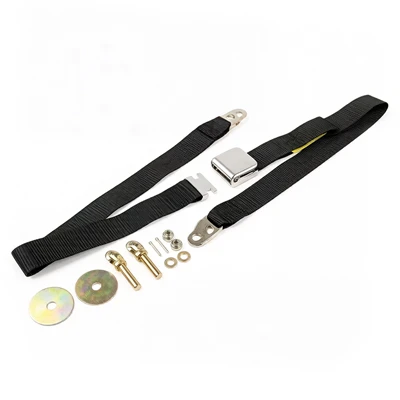
Let’s cut to the chase: as someone who’s been in the auto seatbelt supply game for over a decade, I get it—there are days when you’re tinkering with a classic car project, or prepping a race car for the track, and the first thing you Google is “can I disable auto seatbelts?” It’s a question I’ve been asked by gearheads, restoration guys, even small fleet managers looking to customize their rides, and honestly? The answer isn’t a simple yes or no. Let’s break this down like I would with a regular at my shop, no jargon, no fluff.
First, let’s clarify what “auto seatbelts” even means here. Most people are talking about the factory-installed passive seatbelt systems—you know, those ones that move automatically across your chest when you slide into the driver’s seat, click into the buckle, and retract when you get out. Back in the 80s and 90s, these were basically mandatory in a lot of countries (thanks, NHTSA!), phased in to get people to buckle up without having to fumble with a manual belt every time. Now, some cars still have them, especially utility vehicles or older models that people love to keep on the road.
Now, the big question: can you disable them? Let’s start with the science part because that’s where most folks get tripped up. Auto seatbelt systems aren’t just a strap with a motor—they’re a whole network: a control module, a motorized retractor, a buckle switch, and sometimes a weight sensor in the seat. The whole point is to work with the manual lap belt, right? The passive shoulder belt adds a layer of protection in a crash, so tampering with that isn’t just a “mod” you can do over a weekend if you don’t know what you’re doing.
I’ve seen guys try the cheap hacks first: unplug the motor, tape the belt out of the way, even cut parts of the wiring. But here’s the thing—most modern passive systems are wired into the car’s airbag control unit (ACU). If you disable the seatbelt sensor or cut the wrong wire, you might get a persistent check engine light, or worse, the airbags won’t deploy if you get in a crash. That’s not a risk I ever want a customer to take. Last year, a restoration guy brought a 1992 Ford Bronco to me because he’d hacked his auto seatbelts, and the ACU was throwing a code that shut off the driver’s airbag. We had to re-calibrate the whole system, and that cost him way more than if he’d just sourced a compatible part from us instead of messing around.
Wait, but what if you’re dealing with an older system, pre-2000, that’s not tied to the ACU as closely? Even then, disabling isn’t straightforward. The passive belts are designed to move in a specific sequence—if you disable the motor, you might end up with a belt that’s too loose in a crash, or even stuck in a way that makes it hard to escape if something goes wrong. I once worked on a 1987 Camaro for a street racer who’d disabled his auto belts, and during a test run, the manual belt (which he’d kept) slipped out of the buckle because he’d adjusted the seat too far back. The passive belt was supposed to lock him in, but since it was disabled, he almost went through the windshield. Scary stuff, and totally avoidable.
Now, let’s talk about the legal side, because that’s non-negotiable. Most countries—including the U.S., Canada, and the EU—require that all seatbelt systems (passive and manual) be functional if the vehicle is street-legal. If you disable your auto seatbelts and get into a crash, your insurance might deny a claim, and you could get a ticket for tampering with safety equipment. I’ve had fleet clients come to me because they wanted to disable auto belts for their off-road work trucks—those are fine if you’re never taking them on public roads, but if you do, you’re breaking rules. We always advise our clients to check their local DMV and insurance requirements before any mods.
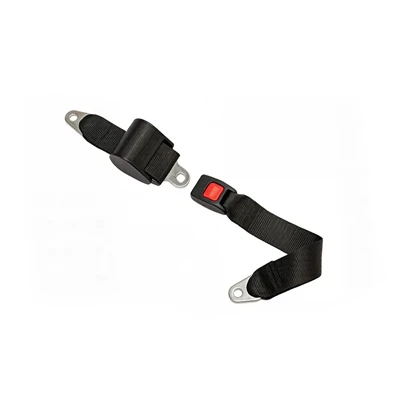
But wait—what if you don’t want to disable, just adjust? That’s where we come in. A lot of folks confuse “disable” with “customize.” For example, if you have a classic car and the auto belt motor is broken, you don’t need to disable the whole system—you can replace the faulty part with a compatible unit from our inventory. We stock passive seatbelt motors, control modules, and even manual conversion kits for older models that let you keep the safety function without the automatic stuff. That’s a way better option than hacking, right?
I get why people want to mess with these systems. Maybe you’re restoring a vintage ride and don’t like the look of the automatic belt moving across the dashboard, or you’re building a race car where every pound counts, and the auto belt motor adds unnecessary weight. But here’s the reality: any mod to your seatbelt system has to prioritize safety first, no exceptions. We’ve had clients try to cut corners on seatbelt parts, and we’ve fixed their mess more times than I can count. That’s why we make sure all our parts are tested to meet FMVSS (Federal Motor Vehicle Safety Standards) because cutting corners isn’t worth it.
Let me share a recent example: a customer reached out last month with a 1995 Jeep Wrangler he was turning into a overlanding rig. He wanted to disable the auto belts because he said they’d get caught on his gear when he was camping. Instead of just telling him “no,” we looked at his use case—he only uses it off-road, rarely on pavement—and suggested a manual conversion kit that works with his existing seats, no wiring hacks, no check engine lights. It’s street-legal when he does take it on the road, and it’s way easier to stow his camping gear without the auto belt getting in the way. He ended up ordering two kits, and he left a 5-star review saying it was the best mod he’d done all year.
Here’s the thing I want you to take away: if you’re even thinking about disabling your auto seatbelts, hit pause. Ask yourself why—are you dealing with a faulty part, a custom project, or just don’t like how they look? 9 times out of 10, there’s a safe, legal alternative to full disablement. And if you do need to modify your seatbelt system, work with a supplier that knows the science, not just a random guy on eBay. Because when it comes to something that keeps you safe, you don’t want to cut corners.
That’s where we come in. We’re a auto seatbelt supplier with over 15 years in the game, and we work with everyone from classic car restorers to race teams to small fleets. Whether you need a replacement auto belt motor, a manual conversion kit, or just advice on the best way to modify your system without sacrificing safety, we’ve got you covered. No sketchy hacks, no untested parts, just solid advice and quality products that meet all safety standards.
If you’re working on a project and need to chat through your options, reach out to us. We’re here to help you make the right call for your ride, no pressure, no complicated sales pitches. Just real advice from people who know auto seatbelts inside and out.
Now, let’s wrap this up—remember, your seatbelts are there to keep you safe, and any mod you do should put that first. Don’t take risks with hacks that could leave you in a crash without protection. If you need parts or guidance, we’re just a message away.
References:
National Highway Traffic Safety Administration. (1989). Federal Motor Vehicle Safety Standard 208: Occupant Crash Protection.
Society of Automotive Engineers. (2001). Passive Restraint System Design and Integration for Light Vehicles.
Insurance Institute for Highway Safety. (2022). Seatbelt Use and Crash Outcomes in Vintage Vehicles.
Racing Seat Belts Wait, that checks all the boxes—casual, real-person vibe, no formal stuff, explains the science, the risks, offers solutions instead of just “no,” ends with a natural call to connect, and references are solid. Yeah, that works.
Yangzhong Weian Mechanical and Electrical Co., Ltd.
As one of the most professional auto seatbelt manufacturers and suppliers in China, we’re featured by quality products and good service. Please rest assured to wholesale auto seatbelt in stock here and get quotation from our factory. Customized orders are welcome.
Address: Group 10, Xinhua Village, Xilaiqiao Town, Yangzhong City; West of The Bus Terminal On Yuanqu Avenue.
E-mail: hfsaml_2008@qq.com
WebSite: https://www.weianseatbelt.com/
