Hey there! I’m a supplier of building wire, and I often get asked about the difference between armored and non – armored building wire. So, I thought I’d break it down for you in this blog post. Building Wire
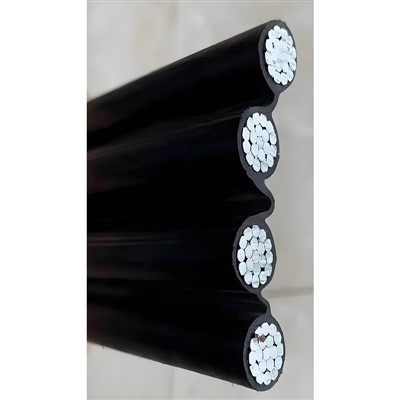
Let’s start with non – armored building wire. This is the kind of wire you’ll find in a lot of standard residential and commercial buildings. It’s basically just a conductor (usually copper or aluminum) covered with an insulating material. The insulation is there to prevent electrical shocks and short circuits.
Non – armored wire is pretty easy to work with. It’s flexible, which means it can be bent and routed through walls, ceilings, and floors without too much hassle. This makes it a popular choice for new construction projects where the wire will be hidden inside the building’s structure. It’s also relatively inexpensive compared to armored wire. You can get a decent amount of non – armored wire for a reasonable price, which is great for budget – conscious builders.
However, non – armored wire does have its limitations. One of the biggest drawbacks is its lack of protection. Since it doesn’t have an extra layer of shielding, it’s more vulnerable to physical damage. For example, if a nail is accidentally driven through the wall and hits the wire, it can cause a short circuit or even start a fire. Rodents can also chew through the insulation, which can lead to electrical problems. And in areas where there’s a risk of moisture or chemical exposure, non – armored wire may not hold up as well.
Now, let’s talk about armored building wire. Armored wire has an extra layer of protection in the form of a metal sheath. This sheath is usually made of steel or aluminum and is designed to protect the wire from physical damage, moisture, and even some chemical exposure.
The metal sheath gives armored wire a lot of durability. It can withstand being crushed, cut, or punctured much better than non – armored wire. This makes it a great choice for areas where the wire is likely to be exposed to rough handling or where there’s a risk of physical damage. For example, in industrial settings, construction sites, or outdoor installations, armored wire is often the go – to option.
Another advantage of armored wire is its resistance to moisture. The metal sheath acts as a barrier, preventing water from seeping into the wire and causing corrosion. This is especially important in areas with high humidity or where the wire will be buried underground.
But armored wire isn’t all sunshine and rainbows. It’s more expensive than non – armored wire, mainly because of the additional cost of the metal sheath. It’s also less flexible than non – armored wire, which can make it a bit more difficult to work with. You may need special tools to cut and bend the wire, and it can be heavier, which can add to the installation time and effort.
So, how do you decide which type of wire to use? Well, it really depends on your specific needs. If you’re working on a standard residential project where the wire will be hidden inside the walls and there’s little risk of physical damage, non – armored wire is probably a good choice. It’s cost – effective and easy to work with.
On the other hand, if you’re working in an industrial environment, an outdoor area, or a place where the wire is likely to be exposed to physical damage or moisture, armored wire is the way to go. It may cost more upfront, but it can save you a lot of headaches in the long run by reducing the risk of electrical problems and costly repairs.
Let’s take a look at some specific scenarios. In a new home construction, most of the wiring inside the walls can be non – armored. You’ll use it for lighting circuits, outlet circuits, and other general electrical needs. But if you’re running a wire from the house to an outdoor shed or a garage, you might want to consider using armored wire. This is because the wire will be exposed to the elements and there’s a higher risk of physical damage.
In a commercial building, the choice between armored and non – armored wire will depend on the nature of the building. For an office building, non – armored wire may be sufficient for most of the wiring. But in a manufacturing plant, where there’s a lot of heavy machinery and the risk of physical damage is high, armored wire should be used for critical circuits.
As a building wire supplier, I’ve seen firsthand the importance of choosing the right type of wire. I’ve also helped many customers make the right decision based on their specific needs. Whether you’re a contractor, an electrician, or a DIY enthusiast, I can provide you with the high – quality building wire you need.
If you’re in the market for building wire and you’re not sure whether armored or non – armored is the right choice for your project, I’d be more than happy to help. Just reach out to me, and we can have a chat about your requirements. I can provide you with detailed information about the different types of wire, their features, and their prices. And if you decide to make a purchase, I’ll make sure you get the best deal possible.
So, don’t hesitate to contact me if you have any questions or if you’re ready to start your project. Let’s work together to ensure your electrical system is safe, reliable, and cost – effective.
Cable References:
- Electrical Wiring Handbook
- National Electrical Code (NEC)
- Industry standards for building wire manufacturing
Hebei Liangyu Cable Co., Ltd.
We’re well-known as one of the leading building wire manufacturers and suppliers in China, specialized in providing high quality customized service. We warmly welcome you to buy durable building wire made in China here and get pricelist from our factory. For price consultation, contact us.
Address: Yanbai Industrial Zone, Jiajiakou Town, Ningjin County, Xingtai City, Hebei Province
E-mail: 18932990441@163.com
WebSite: https://www.liangyucable.com/
