Hey there, it’s Jake from your go-to stand up pouch supplier – and I’ve lost count of how many times I’ve gotten emails this month asking, “Dude, how do I actually store these pouches I ordered? One batch got all moldy and I swear I followed the shipping label.” Fair question, honestly. I’ve seen so many small business owners (cafés, pet treat makers, craft snack sellers) mess this up because storing pouches isn’t like tucking a box of granola bars or jars into a back closet. They’re flexible, multi-layered, and honestly, kind of finicky if you skip the basics. Let’s break this down straight, no corporate jargon, just the stuff I’ve learned from both my own messes and hundreds of customers who fixed their storage headaches. Stand Up Pouch
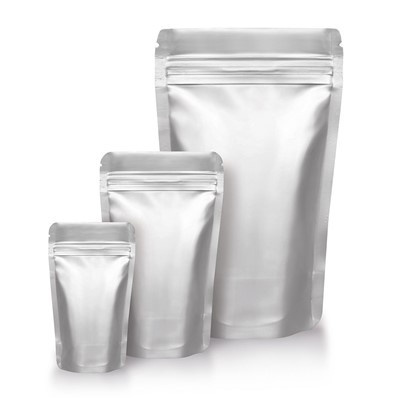
First off, let’s start with the basics: what even are stand up pouches made of, anyway? Most of the ones we supply are multi-layered – think a mix of plastic, aluminum foil, sometimes a thin paper outer layer depending on what the customer needs (like for artisanal jams or herbal teas). Each layer has a job: the inside touches your product to keep it fresh, the middle blocks light and oxygen, the outside keeps it all together. But those layers? They’re sensitive. Not to harsh chemicals or anything crazy, but to temperature swings, moisture, and light. That’s why random storage spots (like a garage that gets 100°F in the summer and 30°F in the winter, or a kitchen cabinet above the stove) are the worst. I once had a new food client who stored 5,000 compostable stand up pouches above their bakery oven – three weeks later, half the seals were bubbled because the heat broke down the glue holding the layers together. Total waste. Don’t do that.
Let’s talk temperature first, because this is the #1 mistake people make. I get it, you’ve got limited space, but don’t just cram them anywhere. The sweet spot for storing unused stand up pouches is between 50°F and 77°F (that’s 10°C to 25°C for my international crew). No, that’s not “room temperature” if your room hits 80°F in the afternoon (guilty of that in my old apartment). What happens if it’s too hot? The plastic layers soften, the adhesive between layers weakens, and if you have zip-lock stand up pouches, the slider on the top might warp so it won’t close properly. We had a customer last month who ordered 10,000 zip pouches for his trail mix – he stored them in his uninsulated shed and half the sliders were deformed when he opened the boxes. He had to rework all his packaging, cost him way more than saving $50 on a storage unit or moving them to a spare closet. On the flip side, if it’s too cold? Below 40°F (4°C) long-term, the plastic gets brittle, especially if you have fully plastic (no aluminum) pouches for things like protein powder. They might crack when you stack them or when you’re filling them, which is a nightmare for your production line. Humidity ties right into temperature, so next up, let’s cover that.
Moisture is the silent killer here, hands down. Let’s be real – most of us don’t keep a humidity meter in our closets, but you don’t need fancy gear to tell if your storage spot is too damp. If you can smell mold, or feel the air feels sticky when you open the door? That’s bad. For unused stand up pouches, humidity should be below 65% – any higher and you’re looking at issues. What kind of issues? For one, if you have aluminum-lined pouches (our most popular for food products), moisture can get trapped between the layers, leading to tiny pinholes that let oxygen and light in once you fill the pouch. That means your product goes stale way faster, or even gets moldy before you’ve even sealed a single batch. We had a craft cookie client a while back who stored her holiday cookie pouches in her basement – not only was the air humid, the concrete was seeping a little moisture through the floor. When she pulled them out for prepping orders, the outer paper layers had fuzzy mold spots. She had to toss 2,000 pouches and delay her Christmas launch – not cool. How do you fix this without a fancy dehumidifier? A few cheap hacks: keep them off the concrete floor (even if you put a thin wooden pallet or a few cinder blocks under the boxes), don’t store them in a basement or attic if those spaces are damp, and if you’re in a super humid climate, toss a few silica gel packets (the ones that come in shoe boxes or medicine bottles) into each box of pouches. They’re free if you save them, or you can pick up a bulk pack at a hardware store for $5. Game changer.
Next up: light. I know, I know – you’re storing unused pouches, so why does light matter? But think about the middle layer I mentioned earlier – most stand up pouches have an oxygen and light barrier, usually aluminum or a similar plastic. If that barrier is exposed to direct sunlight or bright fluorescent lights for weeks on end, it breaks down. So even if your pouches are unopened in a box, if that box is sitting on a shelf right next to a sunny window, the UV rays are slowly ruining the barrier. What’s the result? Your filled product will have a shorter shelf life, maybe even fade or get rancid. We had a local cold brew coffee brand that stored their empty stand up pouches in their retail window for a month before using them. By the time they filled them, half the coffee bags only lasted half their expected shelf life. Oops. The fix is simple: store pouches in dark places – closets, storage bins that aren’t clear, or even cardboard boxes (which they already come in, so that’s convenient). No need to invest in fancy light-blocking bins, just avoid direct sunlight and harsh overhead lights if you can.
Now, how to actually arrange and store them, not just pick the right spot. First, when you get a shipment of pouches, don’t just rip the box open and scatter them everywhere. They come in sealed cardboard boxes for a reason – that packaging is designed to protect them during shipping, so leave them in those boxes until you’re ready to use them. If you need to split a batch into smaller groups for different areas of your space, transfer them to plastic storage bins with tight lids – not clear ones, like I said before. Why tight lids? They keep out dust, which might seem trivial, but dust can scratch the outer layer of the pouch or get trapped under the seal, leading to bad seals later. Also, don’t stack boxes too high. I once had a customer stack 10 boxes of pouches (each weighing 15 lbs) on top of each other in a tiny closet. The bottom two boxes got crushed a little – so when they opened them, dozens of pouches at the bottom were misshapen, and some seals were bent. Aim for 4 to 5 boxes max per stack, and if you have a lot, place the lighter boxes on top of the heavier ones (like boxes of smaller 2oz pouches on top of bigger 1lb ones). That prevents crushing.
Wait, what if you’re using compostable stand up pouches? That’s a whole separate subset, because compostable materials (usually plant-based plastic) are way more sensitive than regular plastic or aluminum pouches. I always tell customers who go compostable that they should use the pouches within 3 months of delivery if they’re storing them correctly – because even in ideal conditions, the plant-based material will start to break down slower than regular plastic. If you store compostable pouches in a warm, humid spot, that timeline shrinks to 6 weeks, max. We had a garden seed company order compostable pouches for seed packets, stored them in their hot garage, and by the time they went to fill them, the pouches were so brittle they crumbled when they tried to open the box. Total waste. If you do go compostable, prioritize the cooler, less humid storage spots, and don’t order more than you can use in 2 months, tops.
Also, a quick note on what not to do. Don’t store pouches near chemicals – cleaning supplies, paint, fertilizer, whatever. The outer layer of the pouch might seem thick, but it can absorb strong odors and chemicals. So if you store a box of pouches next to a bottle of bleach under your sink, the next batch of trail mix you fill will smell like bleach. Gross. Don’t freeze them, either. I’ve had two customers try to freeze extra pouches to “keep them fresh” – don’t. The temperature swings when you take them out and put them back in will warp the plastic, and moisture from the freezer can get trapped between layers, leading to mold. Freezing is not a storage solution for unused pouches.
Let’s talk about a quick check-in tip, too. Every time you go to pull a box of pouches, do a quick visual check. Are any pouches misshapen, bubbled, or cracked? Is the box dusty or damp? If you notice any of that, don’t use those pouches – because even if the damage is small now, it’ll get worse when you fill and seal them, leading to product waste. We always tell our customers that a 10-second visual check is way better than ruining a whole batch of your product.
Wait, one question I get all the time: what if I only have a small space, no spare closets? I get it, if you’re a home-based seller or a tiny café, you don’t have a whole climate-controlled storage room. The hacks still work: use a clear plastic bin? No, use a dark fabric storage bin (they block light, keep dust out, and are cheaper than plastic). Keep them on a shelf away from stoves, radiators, or windows. Toss a silica gel packet in the bin if your space is a little damp. Even a small change, like moving a box of pouches from the kitchen counter to a closet shelf, makes a huge difference. I had a home baker client who stored her cookie pouches on her kitchen counter, and they went stale in 2 weeks. She moved them to a closet shelf, and the same batch stayed fresh for 6 weeks – same pouches, same product, just different storage.
Let me wrap this up with the stuff I always remind people: stand up pouches are an investment. They’re not cheap, especially if you’re ordering custom ones with your logo, so why waste them because of bad storage? The rules are simple: store in a dark, cool, dry spot, leave them in their boxes or tight lidded bins, stack them not too high, and check for damage before using. If you follow these, you’ll cut down on pouch waste, your product will stay fresher, and your production line will run way smoother.
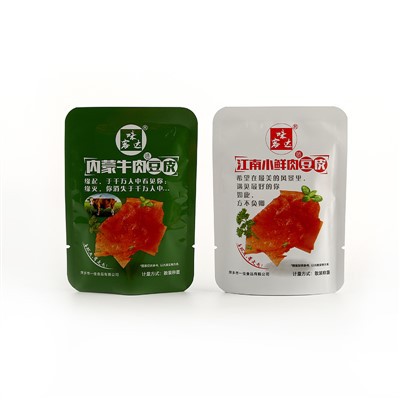
If you’re thinking about ordering stand up pouches for your business, or you have questions specific to your product (like if you need food-safe ones, or compostable, or zip-lock), feel free to reach out. We work with all kinds of small to medium businesses, from local cafes to national snack brands, and we can help you pick the right pouches plus a storage plan that works for your space. Just get in touch for a chat.
Coffee Bag References:
- Flexible Packaging Association. (2022). Storage Guidelines for Flexible Packaging Materials.
- Compostable Packaging Institute. (2023). Best Practices for Storing Compostable Stand Up Pouches.
- Food and Drug Administration. (2021). Storage Recommendations for Food Contact Packaging Materials.
- Packaging Digest. (2022). Common Mistakes in Storing Flexible Packaging for Consumer Goods.
Shenzhen Hongbang Packaging Production Co., Ltd.
We are one of the most experienced stand up pouch manufacturers and suppliers in China, specialized in providing high quality custom service. Please feel free to buy bulk stand up pouch made in China here from our factory. For quotation and free sample, contact us now.
Address: Room 601, BLDG D, Wisdom Centre, No. 58 Nanlian Road, Longgang, Shenzhen China 518116
E-mail: pm@hongbangpack.com
WebSite: https://www.hongbangpack.com/
