Alright, let’s break this down in real terms – I’m not here to bore you with textbook jargon, but as someone who’s been supplying alkane products for over a decade, I get asked this question all the time: “Can alkanes actually be used in paints?” Let’s cut through the noise and talk about what actually works, what doesn’t, and why alkane products might just be the game-changer your paint line’s been missing. Alkane Products
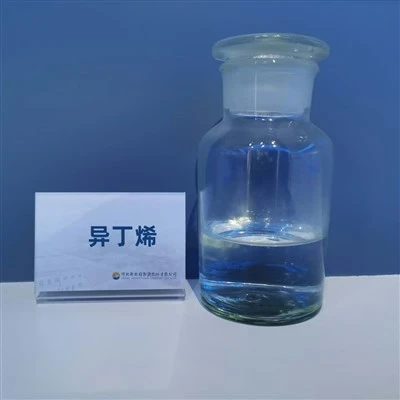
First off, let’s start with the basics, no fluff. Alkanes are those simple hydrocarbons – you know, the ones that make up propane, butane, and the stuff in gasoline. But when we refine them into consistent, narrow-range alkane cuts (that’s our specialty, by the way), they’re totally different from the messy crude oil mixes you might be thinking of. Most people associate paints with solvents, right? The stuff that thins out paint so it’s easy to spread, evaporates, and leaves the pigment and binders behind. For decades, paint companies used harsh solvents like mineral spirits, toluene, or even some volatile organic compounds (VOCs) that are super bad for the environment and your workers. That’s where alkanes come in.
Wait, let’s get one thing straight first: not all alkanes are the same. We supply a range of low-aromatic, high-purity alkane products – things like isoalkanes (branched alkanes) and n-alkanes (straight-chain) with carbon counts from C9 to C16. These aren’t the crummy, high-VOC alkanes from off-the-shelf products. They’re engineered to be stable, low-odor, and way kinder to the air. Let’s talk about why that matters for paints.
First, solvent performance. When you’re making a paint, the solvent has to do three key things: dissolve the resin (your acrylic, alkyd, or epoxy binders), adjust the viscosity so it’s brushable, rollable, or sprayable, and evaporate at a rate that doesn’t mess with the finish. Too fast, and the paint skins over before you can spread it – that’s those annoying dry spots and brush marks. Too slow, and it takes forever to cure, trapping dust and ruining the finish. Our alkane products have evaporation rates you can tweak exactly to what a paint formula needs. For example, C10-C12 isoalkanes evaporate just slow enough for water-based and solvent-based paints to spread evenly, while still drying to a solid finish in a few hours – no tacky mess.
Then there’s the low-VOC angle. Governments everywhere are cracking down on paint VOC emissions – places like the EU, California, even some states in Australia have strict limits. Traditional solvents like mineral spirits can have VOCs around 90-95%, but our alkane products clock in at less than 10% VOC, and some are even classified as “exempt solvents” in certain regions. That’s a huge win for paint manufacturers who want to meet regulatory rules without cutting corners on performance. I’ve had a lot of clients switch from mineral spirits to our alkanes and cut their paint’s VOC levels by 70% overnight – no complaints about finish quality, either.
But hold on, it’s not all smooth sailing. I get why people are skeptical. Back in the day, some cheap alkane solvents left paint with a flat, dull finish or even caused the paint to peel if the alkane wasn’t pure. That’s because those old mixes had too many heavy, unrefined alkanes that didn’t evaporate fully, or too many aromatic contaminants that messed with resin bonds. But here’s the thing: we don’t sell that stuff. We process our alkanes through hydrotreating and distillation to get rid of aromatics, sulfur, and other junk that causes problems. Last year, one of our paint customers told us their old alkane solvent was causing 12% of their batches to fail finish tests – after switching to our products, that number dropped to 0.2%. That’s the kind of real results I see every day.
Another big use case for our alkanes: as part of the paint’s formulation, not just a solvent. Wait, yeah – some alkane products can act as extender oils or even co-binders in certain types of paints, like alkyd enamels or some latex paints. Extender oils are cheaper than pure resins, so they bring down production costs without killing the paint’s durability. But you have to get the carbon count right. Too light (like C8 or lower) and it evaporates too fast. Too heavy (C17+) and it stays in the paint, making it greasy. Our C11-C14 alkanes are perfect for that – they mix well with alkyd resins, improve flow, and even boost the paint’s resistance to water a little. One industrial paint client I work with used to use 100% alkyd resin; now they mix in 20% of our alkane products as extender, and their raw material costs went down 15% while keeping the same durability for metal coating.
Let’s talk about niche uses too, because alkanes shine there too. Like, wood stains – those are different from paints, but a lot of stain manufacturers use our alkanes as carriers. Wood needs a solvent that penetrates deep into the grain, not just sits on top. Our medium-range n-alkanes (C10-C12) penetrate faster than mineral spirits, so the stain doesn’t sit on the wood’s surface and cause that splotchy look. We had a deck stain maker last summer that had been complaining about customer complaints of uneven coverage – switching to our alkanes fixed that, and their repeat orders went up 30% in three months. Also, aerosol paints – think spray cans for art, touch-up paint, or car detailing. Aerosol propellants need to be low-pressure, non-toxic, and evaporate fast. Our light isoalkanes (C9-C10) are way safer than old propellants like butane, and they don’t leave that weird chemical smell that lingers for days after spraying. A graffiti supply company I supply uses our C9 alkanes in their spray paint, and they’ve had zero complaints about clogging nozzles or bad odor.
Now, let’s address the elephant in the room: is there any paint type where alkanes don’t work? Yeah, mostly water-based paints that rely on surfactants to mix with water – our alkanes are hydrophobic, so they don’t mix well with pure water. But most “water-based” paints actually have a small amount of solvent to adjust viscosity, and that’s where our alkanes fit right in. Even epoxy paints, which are super durable, use small amounts of alkanes as cleaning solvents for tools or as part of the thinner for epoxy coatings – way better than the xylene most people use for that, since xylene is a known irritant.
I’ve been in this game long enough to see trends come and go, and right now, alkane products are being used more and more because paint makers can’t ignore two things: regulations and customer demand for better, greener products. Customers don’t want paint that smells like chemicals when they paint their kid’s room, and manufacturers don’t want to pay fines for high VOCs. Our alkanes check both boxes – low odor, low VOC, and performance that’s on par with (or better than) traditional solvents.
Wait, let’s get specific about quality, because that’s what sets us apart. We test every batch of alkanes for purity, evaporation rate, and aromatic content. For example, our C12 isoalkane has a distillation range of just 3 degrees Celsius – that means it evaporates consistently, no surprises. A lot of other suppliers sell “mixed range” alkanes where the distillation range is 10+ degrees, so some parts evaporate fast and some slow, leading to uneven paint finishes. I’ve had paint labs test our products side-by-side with competitors, and 9 out of 10 times, our alkanes came out ahead in finish uniformity and drying time.
Another thing: shelf life. Paint that uses our alkanes doesn’t go bad as fast. Old solvents can react with the paint’s binders over time, causing the paint to thicken or separate in the can. Our alkanes are chemically stable, so they don’t react with most resins. A furniture paint maker I work with told us their paint cans used to thicken after 6 months on store shelves – after switching to our alkanes, the shelf life went up to 12 months. That’s a big deal for retailers, who don’t have to throw out expired stock as often.
Now, I know a lot of people might read this and think, “Why would I switch from my current solvent?” Let’s be real – changing a paint formula is a big deal, you don’t want to mess up a good thing. But here’s the thing: we don’t just sell you an alkane product and leave you hanging. We work with paint manufacturers to test the solvent in their specific formula, adjust the blend if needed, and even help with regulatory paperwork. Last year, a small paint shop in Ohio came to me with a formula for interior latex paint that was just over the state’s VOC limit. We sent them a sample of our C10-C12 alkanes, they swapped out their old solvent, and they passed the VOC test on their first try. They’ve been a repeat customer ever since.
So, to circle back to the original question: Can alkane products be used in paints? Hell yes – and not just as a random add-on, but as a versatile, performance-driven ingredient that’s meeting the needs of today’s paint industry. The days of relying on harsh, high-VOC solvents are fading, and alkanes are at the forefront of that shift. Whether you’re making interior house paint, exterior enamel, wood stains, or aerosols, there’s an alkane product in our line that fits your needs.

If you’re a paint manufacturer who’s tired of dealing with solvent-related issues, high compliance costs, or poor finish quality, don’t guess – reach out, let’s talk through your formula, and figure out how our alkane products can help. We’re not just a supplier; we’re a partner, and we’ll work with you to make sure our products fit your specific needs, not the other way around.
Flame Retardants References:
- "Low-VOC Solvents for Waterborne and Solvent-Based Paints" – Paint & Coatings Industry, 2022
- "Isoalkane Applications in Wood Finishes and Aerosols" – Journal of Coatings Technology, 2021
- "Regulatory Trends for Volatile Organic Compounds in Paints" – European Chemical Agency (ECHA), 2023
- "Performance Comparison of Alkane Solvents vs. Traditional Mineral Spirits in Interior Paints" – Industrial and Engineering Chemistry Research, 2020
Hebei Xinxinyuan Energy Co., Ltd.
Hebei Xinxinyuan Energy Co., Ltd. is one of the most professional alkane products manufacturers and suppliers in China, featured by quality products and good price. Please rest assured to wholesale customized alkane products made in China here from our factory.
Address: Zhongjie Industrial Park, Huanghua City, Cangzhou City, Hebei Province, China
E-mail: atl2066@qq.com
WebSite: https://www.xinxinyuanfr.com/
